community hubs

Summer 2027

At the heart of the humanities is the human experience. It is here—from this universal disposition, from our individual and shared experiences—that philosophical inquiries emerge inviting us to think, reflect, imagine, explore, connect, and better understand ourselves and the world in which we live.
 
The increasing challenges of our times (isolation, social fragmentation and divide, economic, environmental, technological, and more) remind us of this universal and ever-present disposition. Moreover, they reveal the dynamic value of humanistic inquiry. From an instrumental perspective, the humanities are valuable because they help us engage in/respond to the world effectively, with curiosity and intellectual rigor, and in ways that promote civil discourse. This alone makes the humanities worth pursuing. But there is more to it than that.

The process of humanistic inquiry is a unique, intrinsic good worth pursuing in itself: it is a turn toward our humanity, and away from our (mere) instrumental utility, and a reminder and invitation to examine and embrace what it means to be, and to cultivate ourselves, not just as an agglomeration of individuals, but AS a community.
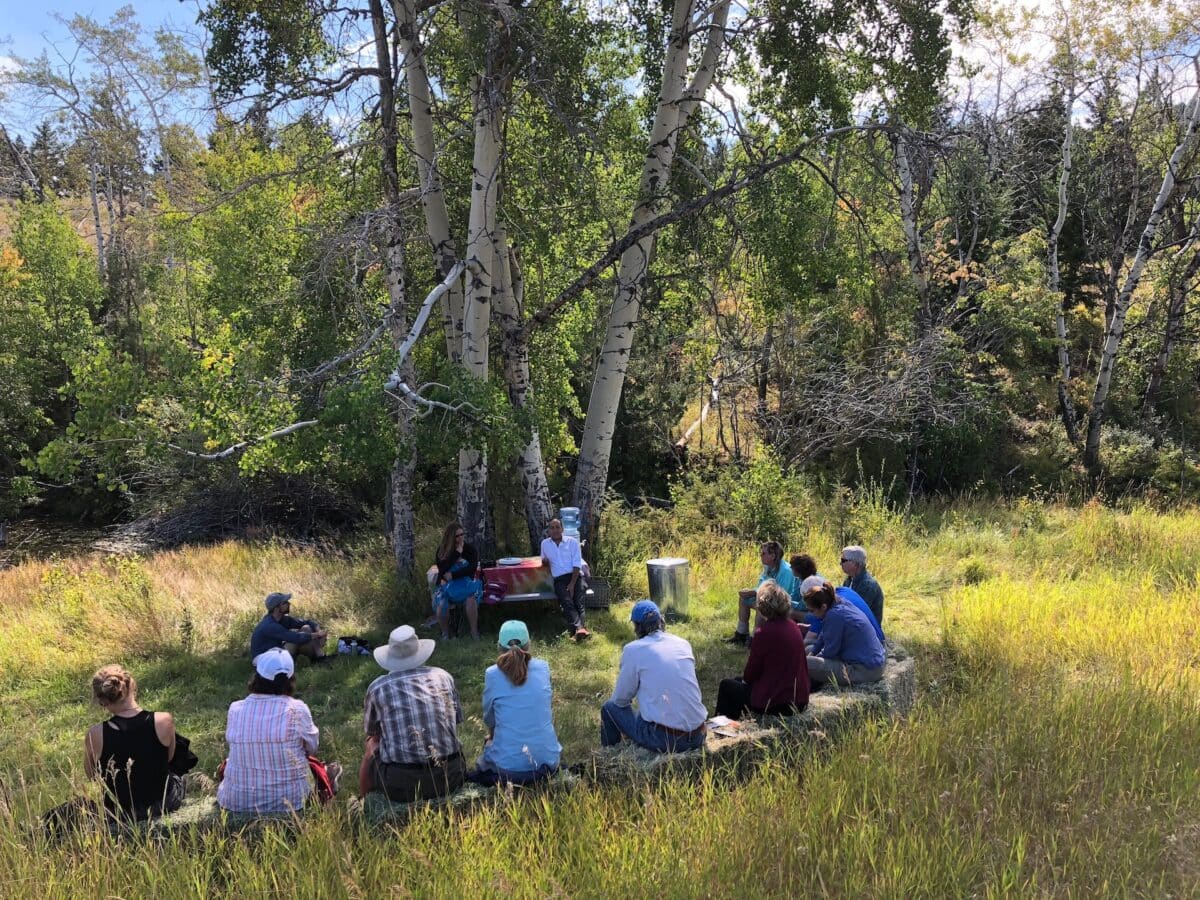
Our Community Hubs project taps into and honors all of this by addressing some of the “subtler” losses of our times (e.g., public connection, informal encounters, face-to-face human interaction), while also doing the important work of setting the stage for a (revitalized) vision of public humanities that centers around the very thing which gives humanistic inquiry its wings: community.

It offers space for a broad spectrum of people—from a network of non-local professional scholars, to a local hub of experts/professional scholars and local amateur scholars (i.e., individuals who are seriously engaged in the pursuit of wisdom and a philosophical life), to local hangers-on, casual attendees, and those who are simply just curious but not yet passionately “in love” with a life of learning—to engage, reflect, and tap into their humanity, together, as a community of thinking, feeling beings.

As a result, our project is not only a platform that facilitates enriched understanding and connections, a renewed sense of wonder and curiosity, and the acquisition of important skills for engaging in civil discourse, but also a platform by which to continue this cultivation of humanistic (and philosophical) inquiry and community-building with others.

  • Local communities & local amateur/professional scholars—by re-centering the community as a place of learning, bringing academia and community together, and creating a place for a community of thinkers to cultivate their phlosophical selves
  • Non-local communities & project scholars—by creating a uniquely local (yet deeply human and shared) experience for scholars who can then take their learnings and observations back to their respective communities and campuses
  • The discipline of philosophy—by re-envisioning and facilitating a connection between thinking as a community (and having places to do this together) & the ancient practice of philosophy as a way of life where ‘place’ & ‘community’ are not just means to an end, but part and parcel of the practice itself
  • The humanities more broadly—by expanding access to and providing a platform for engaging in humanistic inquiry & “doing” humanities together in a community

Our project draws inspiration from several models of living/learning and the unique role of human connection and community as central to critical thinking. These ideas are captured in what we are calling “community hubs.”

  • The 19th Century American “lecture circuit”
  • The mutual improvement socieities (esp. of the 18th-early 20th centuries)
  • Philosophical schools of the ancient Mediterranean: the Athenian Academy, the Alexandrian Platonic school, the Stoa, the Lyceum, etc. In all of these, a community of life is deeply interwoven in the lives of other such communities (as was witnessed, for example, by the constant interchange of members between the Athenian & Alexandrian Platonic schools)
  • Monasteries (e.g., Christian, Buddhist) as places of special focus. Whether these were temporary stations in life or longer, they were intended to serve as a platform for public good, providing a wide range of benefits for their neighbors, in perpetuity

While most philosophical content can be a vehicle for addressing lessons and “subtler” losses of our times, this project is special because it looks at these problems self-referentially, by making its specific content: (A) the philosophical life (the art of living philosophically); (B) a humanistic endeavor (the art of living humanely), and; (C) the intellectual life (the art of learning, for its own sake). As it turns out, across human history & cultures, all three of these (A, B & C) are done preeminently in the community.

Key Questions Considered

One of the objectives of our project is to come up with sketches and strategies for community-centered learning grounded in philosophical inquiry and life. In the process, we’ll be considering pedagogy, place, community, and philosophy and exploring several key questions.

  • What purposes do philosophical communities serve?
  • What does it mean to make philosophy a live option?
  • What kinds of activities, questions, and “philosophical tools” are central to a philsophical life?
  • What conditions (physical/material, social, mental/intellectual, volitional, spiritual) or circumstances are necessary, in order to realize such philosophical communities? And how might we successively approximate or enact these circumstances?
  • How might these translate to different settings — e.g., rural, urban, other?


The landscape of education & technology is rapidly shifting. Both have significant impacts on how we connect, think, and move through the world together. This project offers a solution for communities interested in responding to these changes by establishing unique and accessible platforms for philosophical development and continued learning together.

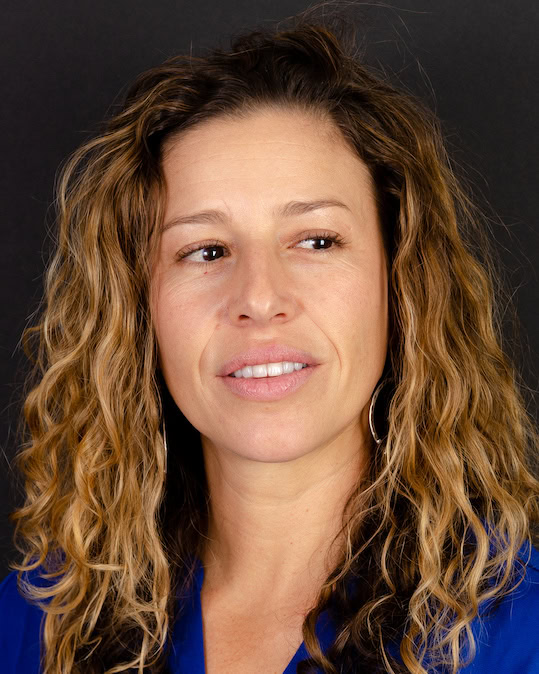
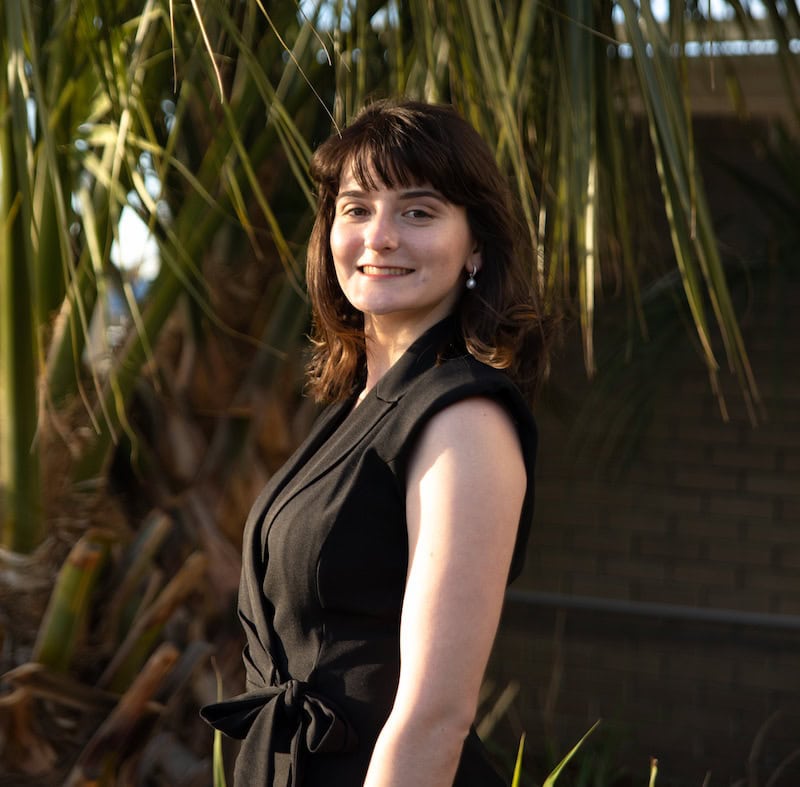
Marisa Diaz-Waian

Marisa Diaz-Waian is community philosopher, educator and Founder & Director of Merlin CCC. A “generalist” by nature, training, and practice, she holds an M.A. in Philosophy from San Diego State University and serves on the Academic Advisory Board for The Philosophy Learning and Teaching Organization.

Born in Santa Monica, CA, Marisa was a high school & collegiate scholar-athlete. She spent the majority of her formative years along the coastlines of Southern & Northern California, exploring tidepools, playing basketball and volleyball, body surfing, and getting into good-hearted mischief.  As she grew older, Ennis, Bozeman & Helena, MT became regular stomping grounds.  Her summers were frequently spent fly fishing, bird watching & “wandering into the great wide open” with her late father (and buddy), Lee. B. Waian.

“The first person to introduce me to philosophy was my poppa. We would spend hours talking shop — holding ideas up against the light of reason, taking them apart & putting them back together again…having fun exploring the terrain. But it was more than just that.  My father was a man who put his (& others’) ideas to the test…who walked the walk….and who showed me (by virtue of who he was) that thought & action (must)  go hand-in-hand…That talk (thought, feeling) is not enough…we must also strive to do & be.  Over the years, the philosophy-seeds that he & countless others in my life have helped to sow & nurture, took shape…ultimately resulting in the formation of Merlin CCC.  I am grateful and elated to be part of such an amazing process…and feel passionately about the power of philosophy to transform & inspire in each of us…grace, humility, beauty & strength.”Marisa

An active member of the Helena community, Marisa lives off-grid and happily “hangs her hat” at Merlin Nature Preserve, where she serves as its resident-steward.

Marisa has a special interest in ethics & ancient philosophy, as well as existentialism, humor, and “fuzzy” things at the intersection of philosophy and psychology.  (She also really loves wolves, the ocean, art, jazz, basketball, dancing, laughing, reggae, and doing things outside of the box).
Her work focuses on philosophy in the community, across all ages and backgrounds, and frequently involves an interdisciplinary, environmental, and intergenerational bent.

Marisa can be reached at [email protected].

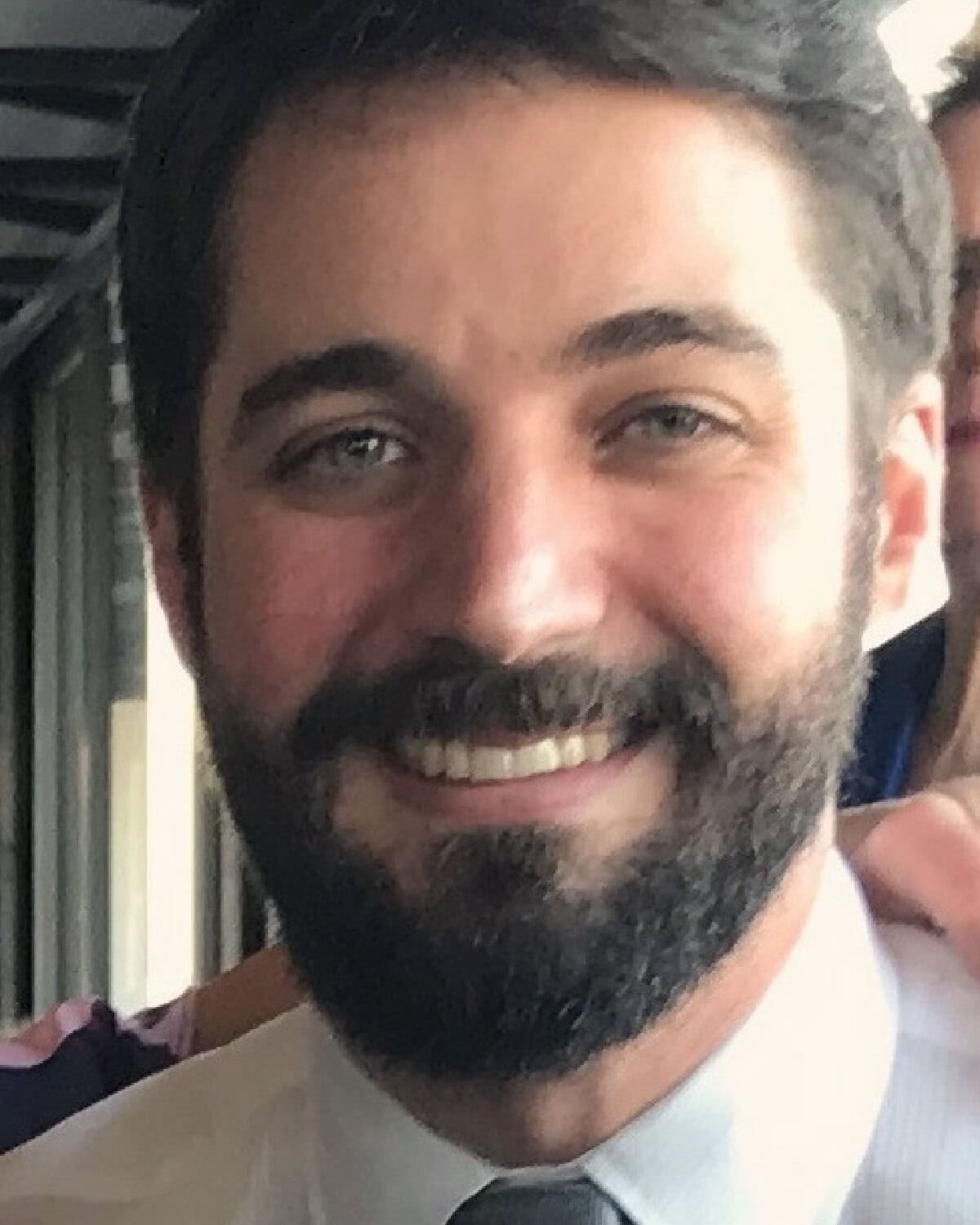
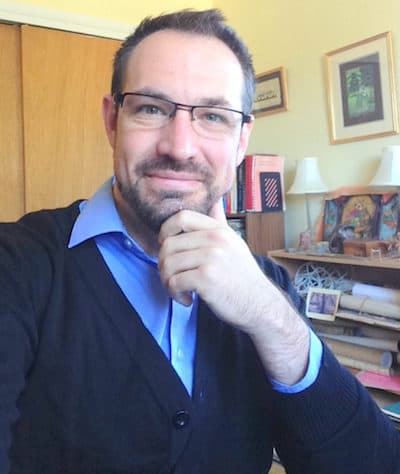
Mitch Conway

Mitch Conway is a Community Philosopher & Advisor at Merlin CCC, a High School Academic Coach at Prisma where he teaches Social Studies & Philosophy, and serves on the Academic Advisory Board and Questions Journal Editorial Board for The Philosophy Learning and Teaching Organization. A student of philosophy, a theater maker, and a teacher who cares ardently about empowering learners or all ages, his work has often been an interweaving of education, story, and inquiry.

At the BIRD Theatre in Tottori, Japan, among other productions, he collaborated with Korean group TUIDA to create The Poetry Class about the colonial period and Pacific war; he also directed students at Kei Ai High School in Romeo & Juliet. Using applied theater, he performed with Village Playback Theatre creating improvisations from audience members’ personal stories, and for a three-month residency he taught embodied methods of community dialogue through the Colombo Americano in Medellin, Colombia. He has also taught theater to elementary school students at 82nd St. Academics and middle school students at Summer Institute for the Gifted.

For a year, Mitch taught at the English Immersion Program in Umphium Mai refugee camp on the Thailand-Myanmar border using a curriculum based in literature and critical thinking. With the New York Foundling at Queens College, he supervised the academic component of The Dorm Project, a program supporting youth in foster care through college. Mitch has a Bachelor’s degree in Theater from Skidmore College and a Master’s degree in Philosophy & Education from Teachers College, Columbia University. He is also a credentialed facilitator with Teach Different.

Mitch is a born traveler with a curious soul and relishes walking in the forest. Mitch can be reached at [email protected].

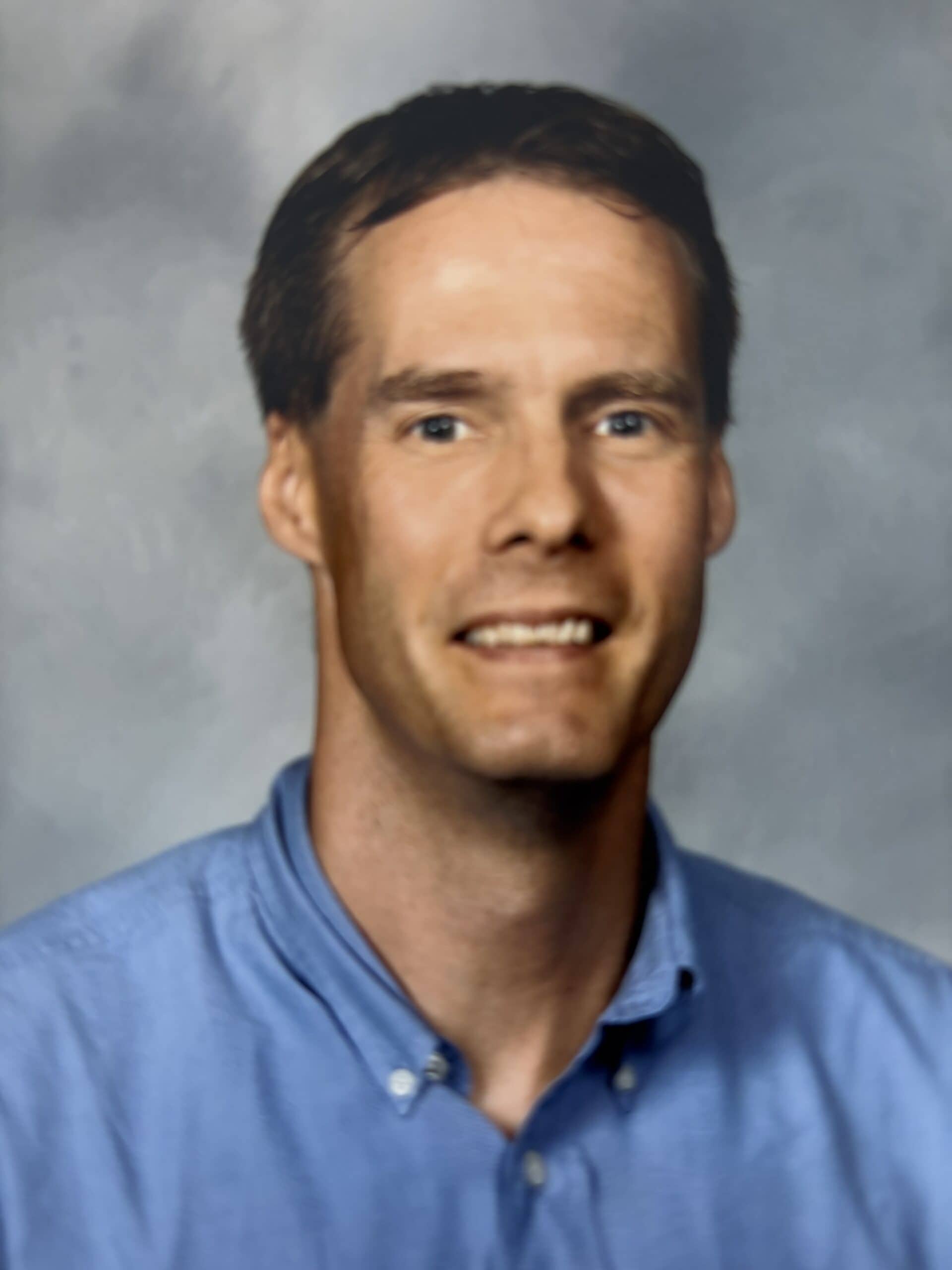
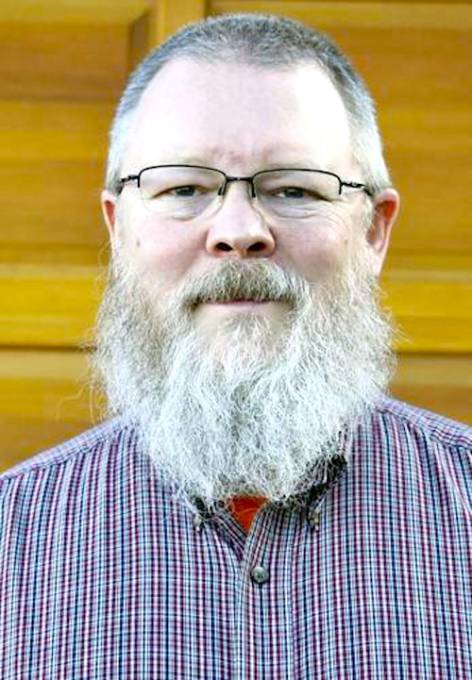
Dan Fouts

Dan Fouts has taught high school social studies since 1993 in the Chicago suburbs. He holds degrees in philosophy and political science from Bradley University and a MS in education from Northwestern University. Dan serves on the Academic Advisory Board for The Philosophy Learning and Teaching Organization and is a co-founder of Teach Different where he promotes a neuroscience-backed conversation method fostering critical thinking, empathy, and civil dialogue.

Dan serves on PLATO’s Academic Advisory Board and has collaborated with the APA to bring philosophy into K-12 classrooms. At the close of Spring 2026, he will be retiring from his 25+ year-career as a high school teacher and diving full-time into Teach Different and enjoying time with his family and friends, fly fishing, playing basketball, litening to music, and taking in life! Dan can be reached at [email protected].

  • Mark Ralkowski (Associate Professor of Honors & Philosophy and Philosophy Honor Society Advisor, George Washington University; Posse Mentor for the Posse Foundation; PhD in Philosophy, University of New Mexico) – Washington, D.C.
  • Jane Drexler (Professor of Philosophy at Salt Lake Community College; PhD in Philosophy, Binghampton University, SUNY) – Salt Lake City, UT
  • Ryan Johnson (Assistant Professor of Philosophy, Elon University; PhD in Philosophy, DuQuesne University) – Elon, NC
  • Jacob Stump (Assistant Teaching Professor in Philosophy, Northeastern University; PhD in Philosophy, University of Toronto) – Boston, MA
  • Justin Whitaker (Independent Scholar & Senior Correspondent for Buddhistdoor Global; MA in Buddhist Studies, Bristol University, U.K.; PhD in Buddhist Ethics, Goldsmiths, University of London) – Missoula, MT
  • Rob Colter (Senior Lecturer in the Department of Philosophy & Religious Studies at University of Wyoming; Founder & Director of Wyoming Stoic Camp; Co-Director of Wyoming Pathways from Prison; Podcast Co-Host of “Philosophy as a Way of Life”; PhD in Philosophy, Northwestern University) – Laramie, WY
  • Andrew Norman (Author & Public Philosopher; Director of the Humanism Initiative at Carnegie Mellon University & founder of CIRCE, the Cognitive Immunology Research Collaborative; PhD in Philosophy, Northwestern University) — Pittsburgh, PA
  • Juliana Breit (Wake Forest University Graduate Student, Co-Director Athanasius Center & Clinical, and 2021-2023 Merlin Student Scholar Fellow) — Wilmington, NC
  • Jeremy Bendik-Keymer (Professor of Philosophy & Faculty-Senate Vice Chair. Case Western Reserve University; PhD in Philosophy, University of Chicago) — Cleveland, OH
  • Henry Kramer (Adjunct Assistant Professor of Religion, Hunter College; Organizer/Community Educator of Eco-Spirituality Beacon; MA in Environmental Philosophy & Literature, University of Montana; 2019 – 2021 Merlin Student Scholar Fellow) – Beacon, NY
  • Phillip Schoenberg (Assistant Professor of English & Philosophy, Western New Mexico University; PhD in Philosophy, University of New Mexico) – Silver City, New Mexico
  • David Storey (Associate Professor of the Practice in the Philosophy Department, Boston College; PhD in Philosophy, Fordham University) — Boston, MA
  • Seth Tichenor (Professor of Philosophy, Clatsop Community College; Co-Founder of Philosfarian) — Astoria, Oregon
  • Jack Russell Weinstein (Chester Fritz Distinguished Professor of Philosophy and Director of the Institute for Philosophy at Public Life, at the University of North Dakota. He is the host of public radio’s Why? Philosophical Discussion About Everyday  Life ) — Grand Forks, North Dakota
  • Tobias Dehner (Northeastern University Graduate Student; Project & Research Assistant Co-Op, The Ethics Institute) — Boston, MA

Comunity Hubs Sponsors & Contributors

Our Community Hubs project has been percolating & a dream of ours since 2018 (shortly after our participation in an NEH Reviving Philsophy as a Way of Life Summer Fellowship program)! We are delighted to have the support of community partner Nava Gardens, who is helping to make this dream a reality as program campus host.
Want to Help Support this Project?

Our Community Project is a big haul for us financially. But it’s something we believe in and are dedicated to seeing through. If you would like to help support this project finanically, we could use your help.

Summer 2027

Merlin CCC
119 Reeder’s Alley, Helena MT 59601
PO Box 2034, Helena MT 59624
501(c)(3) Tax ID/EIN: 47-1479303
www.merlinccc.org

QUESTIONS ABOUT THE PROJECT?
Marisa Diaz-Waian, Program Director
Tel: 406.502.2122 | Cell: 406.439.5788
[email protected]